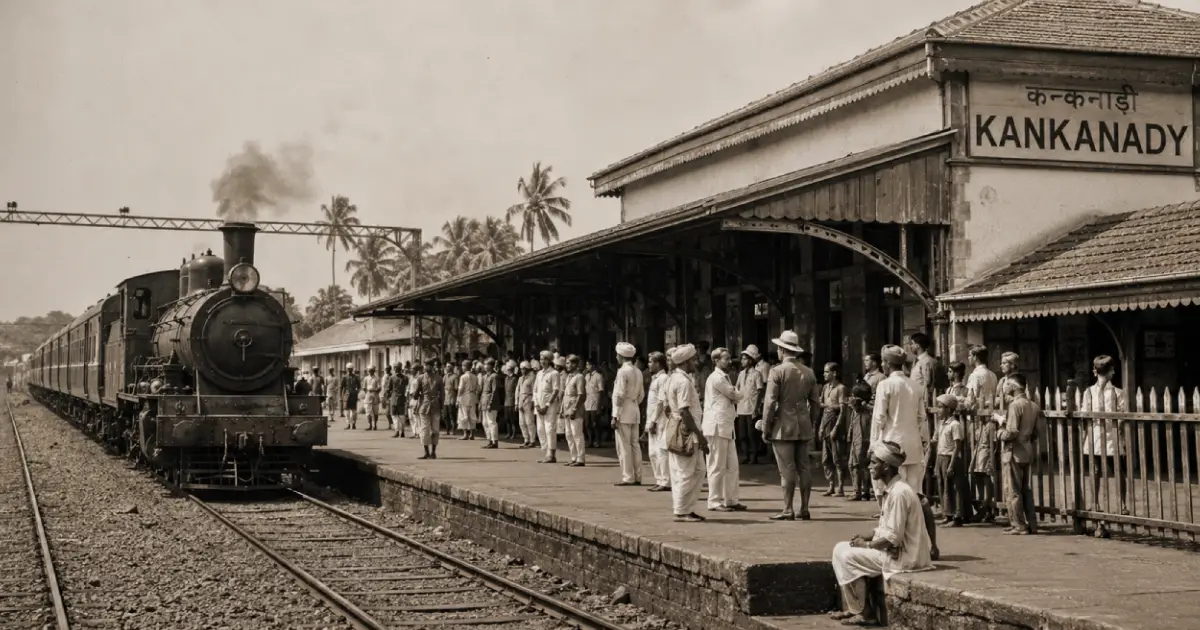
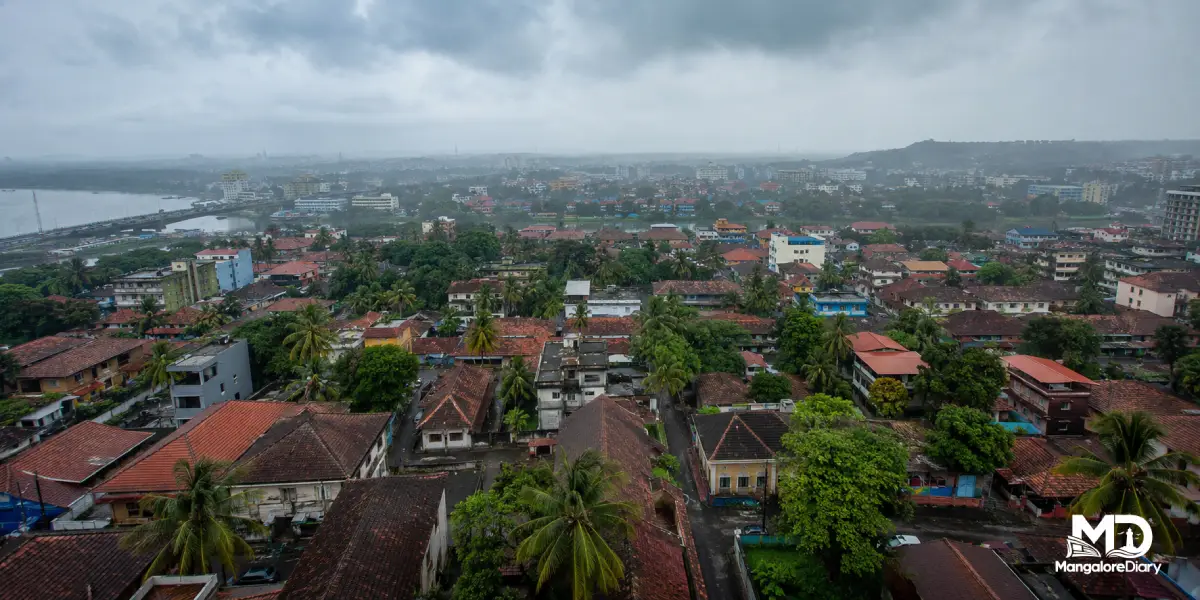
Today, Kankanady is one of the busiest and most recognizable parts of Mangalore.
Traffic flows endlessly through its junctions. Hospitals, railway lines, markets, and commercial buildings dominate the landscape. But many people do not realize that Kankanady was not always the urban center it is today.
Its rise happened because of one major factor: connectivity.
From railways and highways to healthcare and trade, Kankanady slowly evolved into one of the most strategically important localities in coastal Karnataka.
The Geography That Changed Everything
Kankanady’s importance began with location.
The area sits between:
- Central Mangalore
- The southern highway routes
- Railway connectivity zones
- Trade movement corridors toward Kerala and interior Karnataka
As Mangalore expanded during the British period and after independence, Kankanady naturally became a transit point connecting different parts of the city.
Its position helped it evolve from a quieter outskirts area into a major urban gateway.
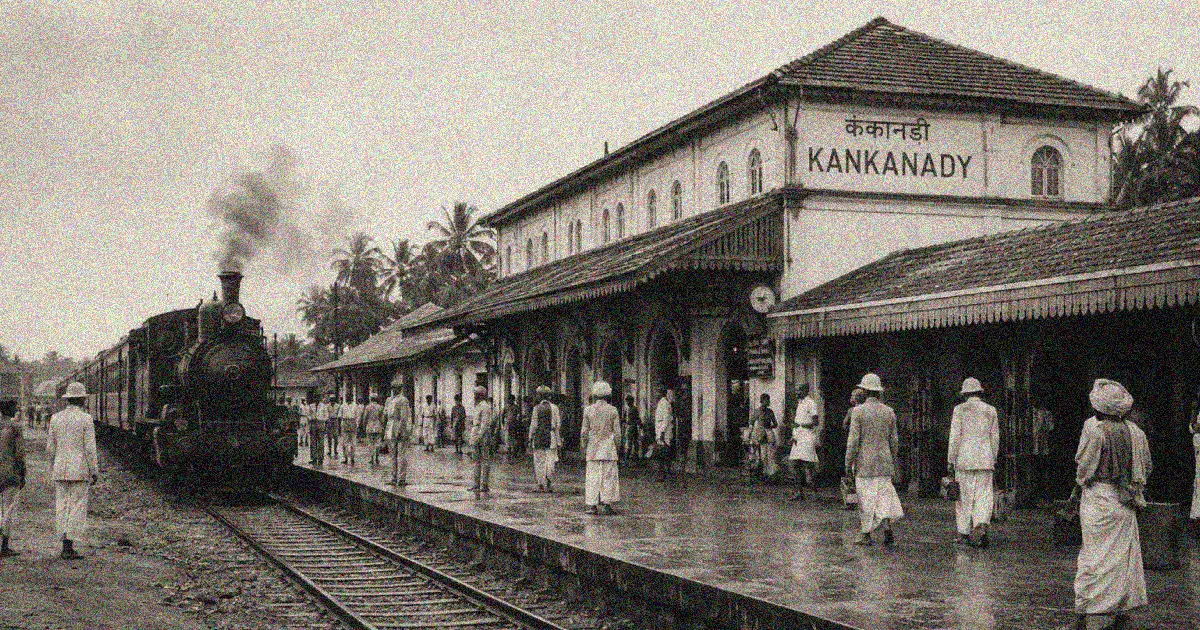
The Railway Changed Kankanady Forever
One of the biggest turning points came with the development of the railway network.
What is today known as Mangalore Junction railway station was originally called “Kankanady Station.” Older generations in the city still use that name today.
The railway transformed Kankanady into:
- A passenger transit hub
- A goods movement center
- A connection point for inland Karnataka
- A major access route toward Bengaluru and Kerala
When railway connectivity expanded in the early 20th century, nearby areas around the station rapidly developed.
Hotels, small businesses, transport services, warehouses, and residential settlements began growing around the railway corridor.
Why the Railway Station Became So Important
Unlike Mangalore Central, which mainly served the city center, Kankanady’s railway location became important because it connected larger regional routes.
The station later became crucial for:
- Long-distance trains
- Kerala-bound railway movement
- Cargo operations
- Western Ghats rail connectivity
Over time, the station was officially renamed Mangalore Junction, though many locals still refer to it as Kankanady Station.
This railway identity played a major role in making Kankanady commercially important.
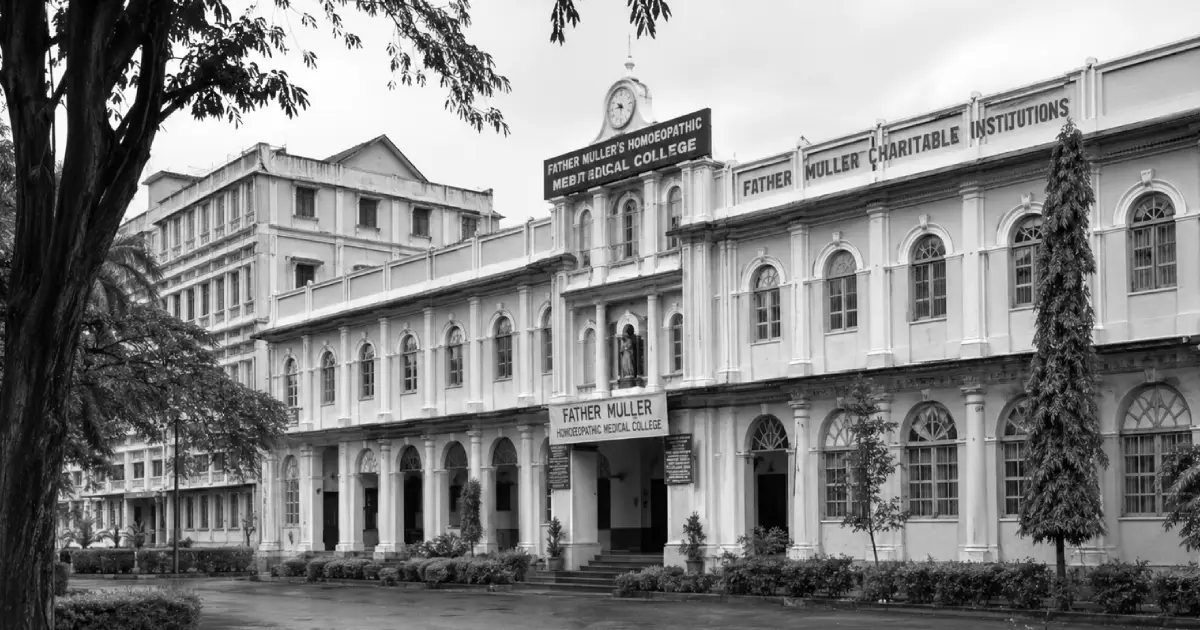
The Rise of Father Muller and Healthcare Influence
Another major reason Kankanady became significant was healthcare.
The establishment and expansion of Father Muller Medical College turned the locality into a medical destination for coastal Karnataka.
Founded in the late 19th century, the institution gradually expanded into:
- Multi-specialty healthcare
- Medical education
- Psychiatric care
- Nursing education
The hospital attracted people not only from Mangalore, but also from:
- Kerala
- Kodagu
- Interior Karnataka
- Northern Kerala coastal towns
This created continuous urban growth around Kankanady.
Roads, Highways, and the Pumpwell Connection
Kankanady’s importance increased even further after road transportation became dominant.
The area connected directly toward:
- Pumpwell
- NH66 highway corridor
- Kerala routes
- Interior Karnataka roads
As vehicle ownership increased across coastal Karnataka, Kankanady became one of Mangalore’s busiest movement corridors. Modern traffic reports still identify the Pumpwell–Kankanady stretch as one of the city’s key transportation arteries.
This strategic road connectivity made the locality commercially valuable.
Kankanady Became a Commercial Hub
Once connectivity improved, businesses followed.
Gradually, Kankanady developed:
- Shopping complexes
- Markets
- Hotels
- Clinics
- Educational institutions
- Residential apartments
Its location between the old city and expanding suburbs helped it become a bridge between historic Mangalore and modern urban expansion.
Today, Kankanady is considered part of Mangalore’s core commercial belt.
The Psychological Importance of Kankanady
For many locals, Kankanady became associated with:
- Railway journeys
- Medical treatment
- Travel toward Bengaluru
- Intercity buses
- Student migration
- Family visits
Generations of people from Dakshina Kannada passed through Kankanady during important moments of life.
That emotional familiarity gave the area cultural significance beyond just geography.
How Kankanady Reflects Mangalore’s Urban Growth
Kankanady’s story is actually the story of how Mangalore modernized.
The locality grew because it sat at the intersection of:
- Transportation
- Healthcare
- Trade
- Migration
- Education
- Urban planning
As Mangalore expanded during the 20th century, Kankanady became one of the clearest symbols of that transformation.
Forgotten Facts About Kankanady
| # | Fact | Details |
|---|---|---|
| 1 | Old railway identity | Kankanady Station |
| 2 | Current railway name | Mangalore Junction |
| 3 | Key growth factor | Railway connectivity |
| 4 | Major institutional influence | Father Muller campus |
| 5 | Strategic road link | Pumpwell corridor |
| 6 | Urban role | Commercial + transport hub |
| 7 | Historical importance | Gateway to southern Mangalore |
FAQ
Why is Kankanady important in Mangalore?
Kankanady became important because of railway connectivity, road transport links, healthcare institutions, and commercial growth.
Was Mangalore Junction earlier called Kankanady Station?
Yes. Older residents still refer to Mangalore Junction as Kankanady Station.
Why did Kankanady grow rapidly?
The area developed due to transportation routes, railway expansion, and institutions like Father Muller Hospital.
Is Kankanady considered central Mangalore?
Today, Kankanady is one of the city’s major commercial and transportation hubs.
“Kankanady did not become important overnight. Railways, roads, and people slowly built its identity.”


0 Comments
Leave a Comment