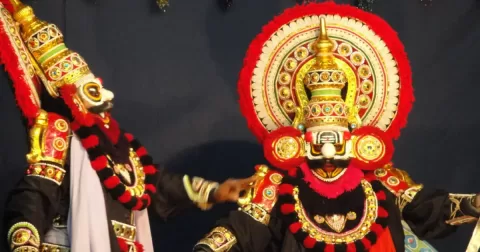
For centuries, Tulu survived the way most spoken-first languages do — in kitchens, in paddy fields, in paddanas sung late into the night, in the language of Bhoota Kola and Yakshagana. It had no widely used script of its own, no state recognition, and no place in the Eighth Schedule of the Constitution. What it did have was millions of speakers across coastal Karnataka and parts of northern Kerala who carried it forward the old-fashioned way — by speaking it.
Ten years ago this August, Tulu found a new home: the internet.
On August 6, Tulu Wikipedia completed a decade as a live edition. It did not make national headlines the way a cricket score or an election result would. But for the small circle of volunteers who spent evenings and weekends typing away at articles, photographs, references and corrections, it marked ten years of proving that a language spoken mostly at home could also hold its own online.
Today, Tulu Wikipedia carries more than 3,700 articles on Tulu culture, personalities, places, festivals, art and language. Every one of them was written by someone with a day job, doing this because they wanted Tulu to exist where the next generation would actually go looking for information — a search engine.
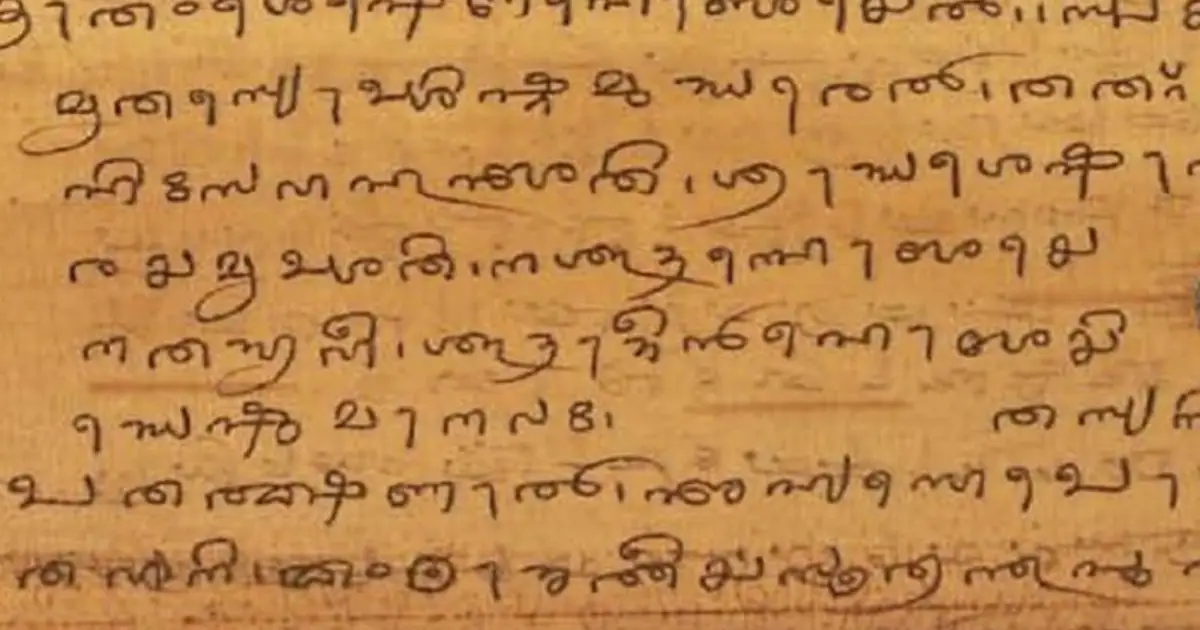
It Started From Zero
Wikipedia itself was launched in 2001. Kannada Wikipedia followed in 2003. The first real attempt at a Tulu Wikipedia began only in 2008, when a handful of editors began adding entries inside Wikipedia's "Incubator" — a kind of holding area where new-language editions are tested before they are allowed to go live on their own.
Simply wanting a Tulu Wikipedia was not enough. Wikimedia's rules required volunteers to build up real content, train real editors, and prove there was an actual community capable of sustaining the edition over time. For years, that community barely existed. A few editors worked in isolation, adding the odd article, with no meetups, no coordination and no real push forward.
That changed in 2014, when Dr U B Pavanaja, then associated with the Centre for Internet and Society's Access to Knowledge programme in Bengaluru, began organising Tulu enthusiasts to work more systematically. A meeting that year brought together scholars including Viveka Rai, A V Navada, K P Rao, Vaman Nandavara and Kishore Kumar Rai to chart a way forward.
Dr Vishwanath Badikana, one of the volunteers who has been with the project since its earliest days and now heads the Karavali Wikimedians User Group, recalls that the community had already begun the work on its own, but it was Pavanaja's steady push that got them to organise themselves properly and aim for a live edition.
The target was concrete: Wikimedia expected roughly 1,000 articles before Tulu could graduate from the Incubator. At one stage, the count stood at around 500. To close the gap, volunteers began running workshops wherever they could find a room and a set of willing students.
Ramakrishna Pre-University College at Bunts Hostel opened its doors to the effort. Workshops followed at Sahyadri Engineering College and St Aloysius College, while Pavanaja personally ran sessions for pre-university students in Udupi. Slowly, article by article, the count climbed toward the number Wikimedia needed to see.
Tulu Wikipedia — Key Milestones
| # | Year | Milestone |
|---|---|---|
| 1 | 2001 | Wikipedia launched globally |
| 2 | 2003 | Kannada Wikipedia launched |
| 3 | 2008 | Tulu Wikipedia work begins inside Wikimedia Incubator |
| 4 | 2014 | CIS-A2K programme begins organising Tulu volunteers systematically |
| 5 | August 2016 | Tulu Wikipedia goes live as the 23rd Indian-language Wikipedia edition |
| 6 | January–February 2017 | Karavali Wikimedians User Group formally established and recognised by Wikimedia |
| 7 | 2026 | Tulu Wikipedia completes 10 years as a live edition, crossing 3,700 articles |
A Surprise in Chandigarh
Getting a respected academic voice to speak for Tulu before the Wikimedia Foundation was another hurdle. The volunteers approached scholar and former Jawaharlal Nehru University professor Purushottam Bilimale. Though Bilimale is himself an Arebhashe speaker rather than a native Tulu speaker, he agreed to represent the Tulu community's case at a crucial stage, once the volunteers had completed the required groundwork.
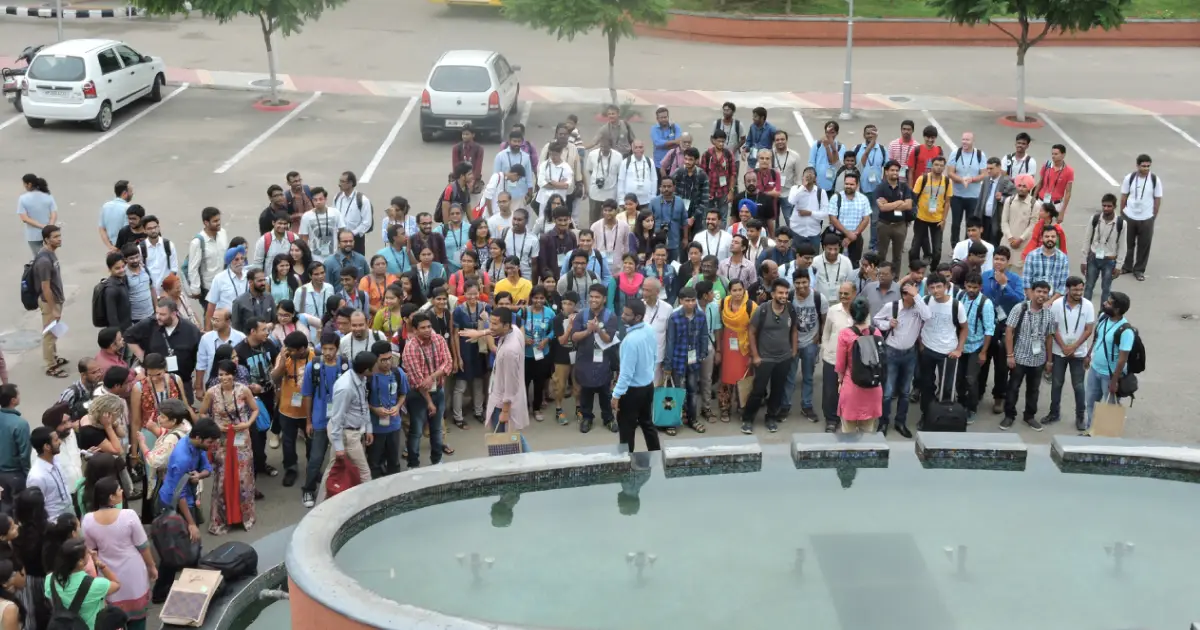
The announcement, when it finally came, caught even the volunteers off guard. Badikana, along with fellow volunteers Bharatesh and Pavanaja, travelled to WikiConference India 2016, held in Chandigarh from August 5 to 7, simply as participants. Neither expected what came next.
During her keynote at the conference, Wikimedia Foundation executive director Katherine Maher announced that Tulu had gone live as the 23rd Indian-language Wikipedia — a milestone reached after eight years in the Incubator.
Badikana recalls being taken completely by surprise, with journalists closing in on the group within moments of the announcement. The volunteers had not even alerted the Kannada media, since they themselves had no idea the announcement was coming that day. Tulu, a language many Indians outside Karnataka had never heard of, was suddenly national news.
Tulu Wikipedia is the 23rd Indian-language edition of Wikipedia, launched in 2016 after spending nearly eight years inside Wikimedia's incubator stage — longer than almost any other Indian-language edition.
Did You Know?
Building The Karavali Wikimedians User Group
The energy from the 2016 launch needed a formal structure to sustain it. The Karavali Wikimedians User Group, which coordinates Tulu, Kannada and Konkani language work across coastal Karnataka and parts of northern Kerala, was set up in late 2016 and received formal recognition from the Wikimedia movement in February 2017, with Dr Vishwanath Badikana as president, Dr U B Pavanaja as secretary and Dr Kishore Kumar Rai as treasurer.
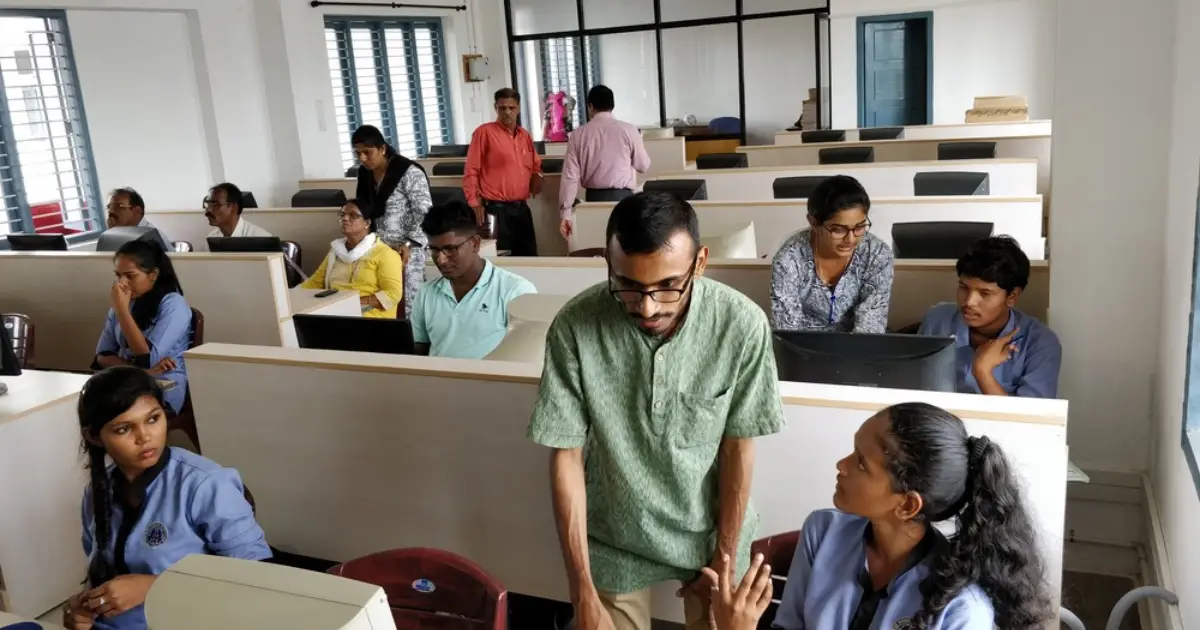
Since then, the group has signed MoUs with institutions including Alva's College in Moodbidri, SDM College in Ujire and St Aloysius College, running two-day workshops that walk students through everything from Wikipedia's basics to citations and photo categorisation. Given how quickly new editors tend to forget what they learn, the group often follows up with a refresher session a few months later — and has found that once young volunteers understand what they can actually contribute, many stay engaged.
Typing in Tulu script has its own learning curve for students used to English or Kannada keyboards, but volunteers say most pick it up quickly with practice.
More Than Just Culture
The earliest articles leaned heavily on Tulunadu's ritual and cultural life — Bhoota Kola, local deities such as Panjurli, traditional games and dance forms. Over time, the scope has widened to cover people, villages, taluks, institutions, artists, films and the natural landscape of the region.
One of the more successful community pushes centred on Aati, the traditional Tulu month corresponding to Karkataka Masa. A special programme organised last year encouraged contributors to write about the month's food, customs and rituals, and it generated hundreds of articles in a short span — proof, volunteers say, of what happens when people are asked to write about things they already know from home.
Volunteers believe the well is far from dry. A single Tulu film, they point out, can spin off half a dozen articles — on the film itself, its director, its actors, its music. Ten such films documented could, in turn, give hundreds of associated people an online presence for the first time. There is also a quiet push to get panchayats and colleges involved in identifying local subjects — villages, historical sites, notable residents — that could be verified and turned into proper entries, with the side benefit of giving lesser-known places more visibility, including for tourism.
We have to reach GB." — Dr Vishwanath Badikana, on how far Tulu Wikipedia's digital footprint still needs to grow
Where Tulu Wikipedia Content Comes From
| # | Theme | Examples |
|---|---|---|
| 1 | Ritual & Folk Culture | Bhoota Kola, Daivas such as Panjurli, Nemotsava, folk dances |
| 2 | Language & Literature | Tulu Lexicon-related entries, paddanas, folk songs |
| 3 | People | Local scholars, artists, film personalities, historical figures |
| 4 | Places | Villages, taluks, institutions across Tulunadu |
| 5 | Seasonal Practices | Aati (Karkataka Masa) food, customs and rituals |
| 6 | Cinema | Tulu films, directors, actors, music |
What Happens When AI Reads Tulu
The stakes around this work have shifted in recent years with the rise of artificial intelligence and machine translation. Search engines, translation tools and AI systems increasingly rely on large volumes of digital text to function — and languages like Tulu, with far less content online than English or Kannada, risk being left out of that ecosystem altogether unless someone puts the material there first.
Badikana believes Wikipedia's open-content model works in Tulu's favour here, since AI systems can freely draw on it. Wikipedia content has already begun feeding into translation tools and other digital resources for the language, expanding its footprint bit by bit. But the volunteers are candid about how much ground remains — Badikana sums up the gap between where the project stands and where global Wikipedia editions are, in terms of megabytes versus gigabytes of content, a gap the group is actively working to close (see pull quote).
The Real Challenge
Tulu is not short of speakers — millions use it across coastal Karnataka, parts of northern Kerala and diaspora communities further afield. The shortage is of contributors willing to sit down and write. Wikipedia, as the volunteers are quick to point out, cannot be built by one or two dedicated people; it needs hundreds of hands typing consistently over years.
That is the pitch the Karavali Wikimedians User Group keeps making to colleges, panchayats and young Tulu speakers: move from consuming the internet to contributing to it. A word documented, a village described, a folk tradition explained, an artist introduced — each entry is small on its own, but together they add up to something a language without formal state recognition badly needs: a permanent, searchable, public presence.
Bharathesha Alasandemajalu, one of the group's active contributors, points to a subtler benefit — writing in Tulu occasionally revives words that have started falling out of everyday use, giving them a second life once readers rediscover them on the page. Teachers who contribute to the project have also noticed an odd, pleasant loop: students submitting assignments sometimes unknowingly cite information that traces back to their own teacher's Wikipedia article, discovered through a Google search with no idea of its original source.
Ten Years On, Not Slowing Down
To mark the decade, the Karavali Wikimedians User Group has planned a two-day celebration in Mangaluru on September 12 and 13, bringing together Wikimedians, students, educators and language enthusiasts to look back on the journey and plan the next stretch of work.
Wikipedia has not — and cannot — secure Tulu a place in the Eighth Schedule or the recognition many in the community continue to seek from the state. What it has done is quieter but no less real: given anyone with an internet connection a way to encounter the language, its people and its culture, built entirely by volunteers who did it, as one of them put it, simply because they enjoy watching Tulu Wikipedia grow.
A language spoken only at home for a few more generations risks fading from view in a world that increasingly looks online for information. Tulu Wikipedia's decade-long, unpaid, largely unnoticed labour has been an attempt to make sure that does not happen.
FAQ
When did Tulu Wikipedia go live?
Tulu Wikipedia went live on August 6, 2016, becoming the 23rd Indian-language edition of Wikipedia, after spending nearly eight years in Wikimedia's Incubator stage since work began in 2008.
How many articles does Tulu Wikipedia have now?
As of its 10th anniversary in August 2026, Tulu Wikipedia has more than 3,700 articles covering Tulu culture, personalities, places, festivals, art and language.
Who leads the volunteer effort behind Tulu Wikipedia?
The Karavali Wikimedians User Group, formed in late 2016 and formally recognised by the Wikimedia movement in February 2017, coordinates the effort. Dr Vishwanath Badikana serves as president, Dr U B Pavanaja as secretary, and Dr Kishore Kumar Rai as treasurer.
Where was Tulu Wikipedia's launch announced?
The launch was announced by Wikimedia Foundation executive director Katherine Maher during her keynote at WikiConference India 2016, held in Chandigarh from August 5–7, 2016.
How can someone contribute to Tulu Wikipedia?
The Karavali Wikimedians User Group regularly conducts workshops at colleges across coastal Karnataka, including Alva's College Moodbidri, SDM College Ujire and St Aloysius College, training students and volunteers to research, write and reference Wikipedia articles in Tulu.
Is Tulu an officially recognised language in India?
No. Despite having millions of speakers across coastal Karnataka and parts of northern Kerala, Tulu is not included in the Eighth Schedule of the Indian Constitution and is not an official state language. Tulu Wikipedia does not change this status but gives the language a substantial, searchable digital presence.
What is planned for Tulu Wikipedia's 10th anniversary?
The Karavali Wikimedians User Group has planned a two-day celebration in Mangaluru on September 12 and 13, bringing together Wikimedians, students, educators and language enthusiasts to mark the milestone and discuss future plans.


0 Comments
Leave a Comment