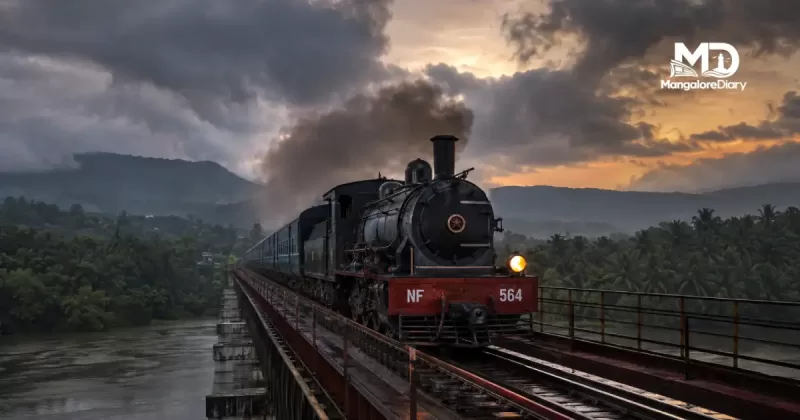
Before highways connected the coast and before air travel became common, the railway line into Mangalore was one of the biggest engineering and economic milestones in South India.
Most people today know only the busy platforms of Mangalore Central railway station or the crowded junction at Mangalore Junction railway station. But hidden beneath the modern city is a forgotten railway story that helped shape trade, migration, industry, and the identity of coastal Karnataka itself.
From iron bridges over the roaring Netravati River to trains carrying famous Mangalore tiles across British India, the railway history of Mangalore is far more fascinating than many realize.
The Day the Railway Finally Reached Mangalore
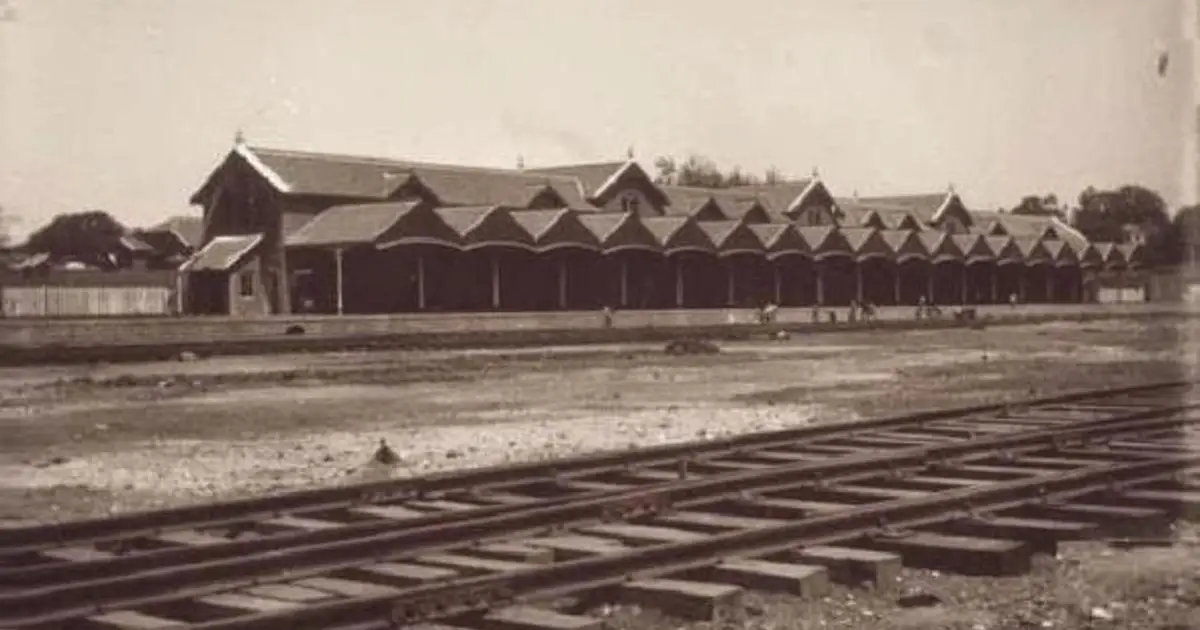
Railways began operating in India in 1853. But Mangalore had to wait more than five decades before finally being connected to the larger railway network.
The breakthrough came in 1907, when the broad-gauge railway line connecting Mangalore to the Madras Railway system was completed. This transformed the coastal town from a port settlement into an important trade gateway of South India.
At that time, Mangalore was still part of the Madras Presidency under British rule.
The arrival of the railway changed everything:
- Trade expanded rapidly
- Port activity increased
- Passenger movement became easier
- Mangalore tiles reached international markets faster
- Migration toward cities like Bombay and Madras accelerated
For the first time, coastal Karnataka became deeply connected to the rest of India.
The Legendary Netravati Railway Bridge
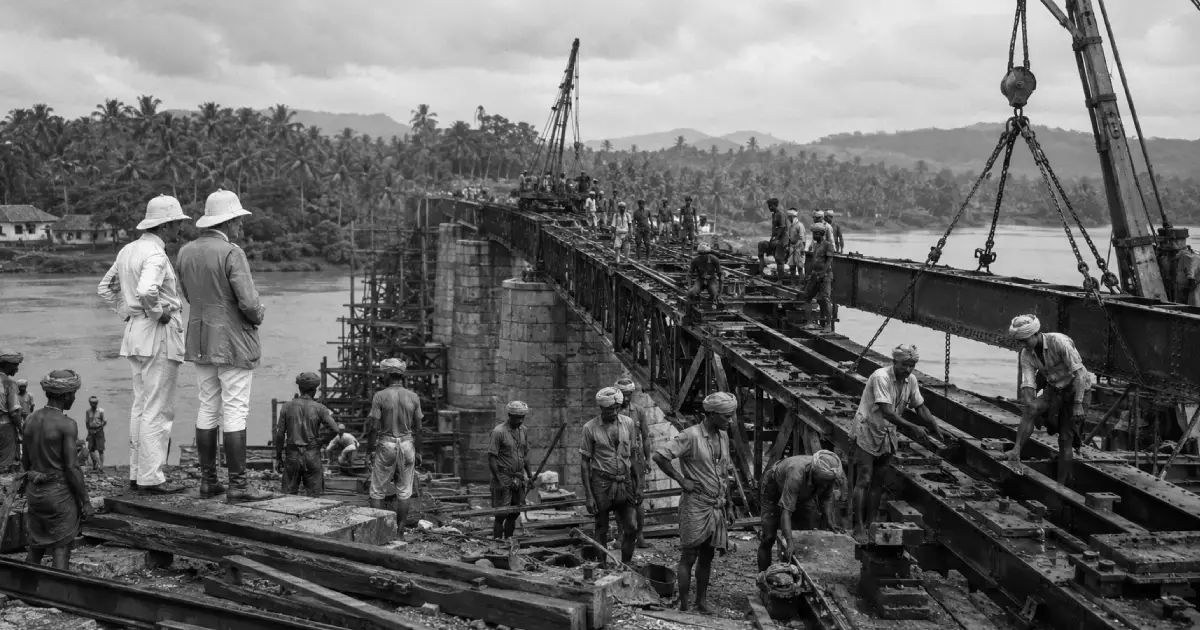
One of the greatest forgotten engineering stories of Mangalore is the historic railway bridge across the Netravati River.
Completed in July 1907, the bridge carried the Madras Railway line into Mangalore and became the final link connecting the coast with the railway network.
Why It Was Extraordinary
At the time, constructing a railway bridge near the river estuary was extremely difficult.
Historical engineering records describe:
- Massive floodplains
- Strong monsoon currents
- Wide riverbanks
- Unstable marshy terrain near Ullal
The bridge stretched nearly 830 meters and used multiple iron spans — a major engineering achievement for that era.
Even today, when trains cross the bridge during sunset, many travelers still consider it one of the most scenic rail journeys in coastal India.
The Railway Was Built for One Major Reason
Many people assume passenger travel was the primary purpose of the railway.
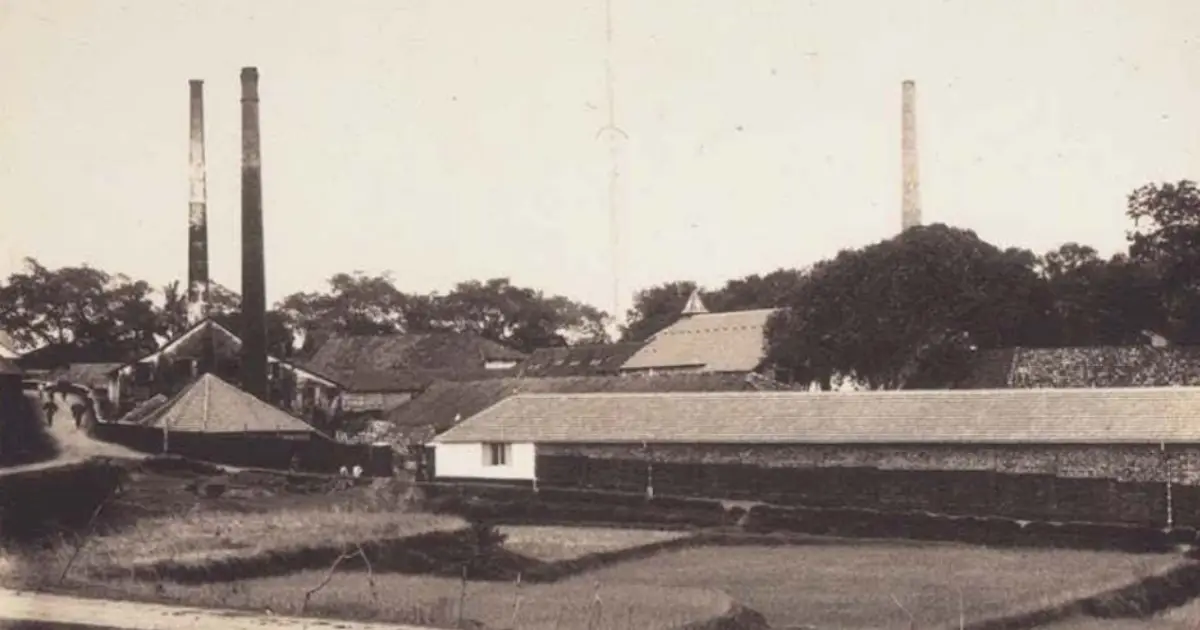
In reality, trade was the biggest reason.
The railway line helped transport the world-famous Mangalore tiles from local factories to Madras Harbour for export overseas.
The Basel Mission tile factories had already made Mangalore internationally famous during the late 19th century. Their iconic red roofing products eventually became known worldwide as “Mangalore Tiles.” If you want to explore the complete story behind how these tiles transformed coastal Karnataka’s identity, read our detailed feature on Mangalore Tiles: The Real Story Behind Coastal Karnataka’s Most Iconic Roof.
But transporting tiles by bullock carts and ships was slow and expensive until the railway arrived.
The railway changed that overnight.
Historical records mention that trains leaving Mangalore often carried:
- Roofing tiles
- Agricultural products
- Spices
- Coir products
- Postal cargo
The railway became the economic backbone of the region.
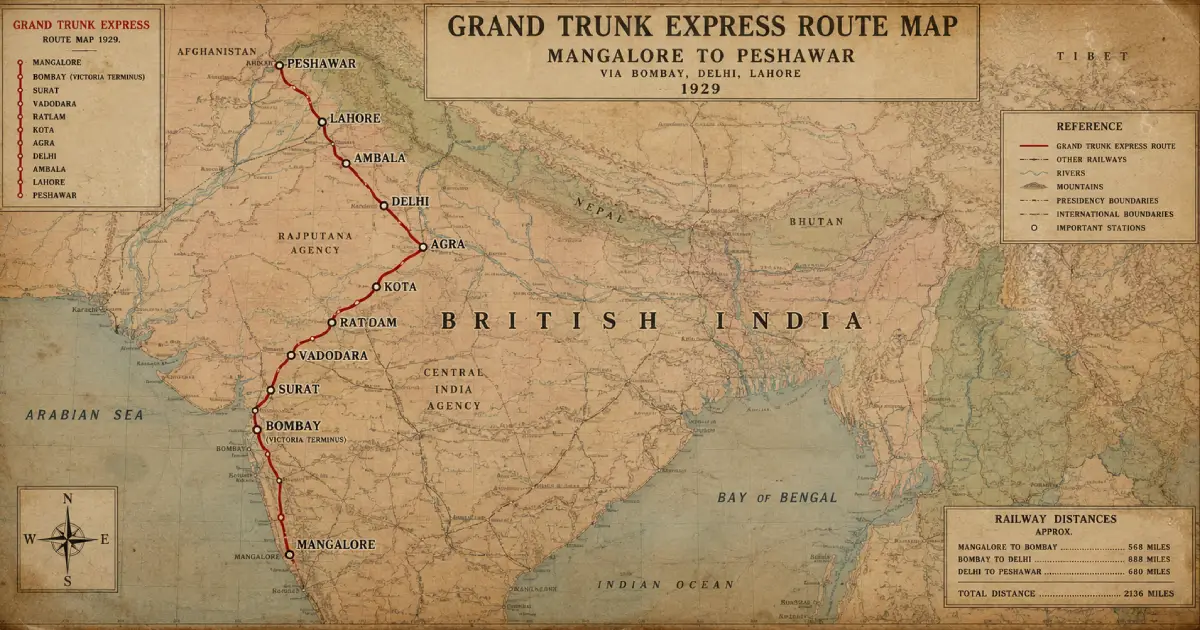
Mangalore Once Had One of India’s Longest Rail Routes
A forgotten fact many locals do not know:
Mangalore was once the starting point of one of the longest railway routes in the Indian subcontinent.
In 1929, the famous Grand Trunk Express connected Mangalore all the way to Peshawar, which is now in present-day Pakistan.
The journey reportedly lasted more than 100 hours.
Imagine boarding a train in coastal Mangalore and traveling across the entire length of British India.
That single railway route symbolized how connected Mangalore had become by the early 20th century.
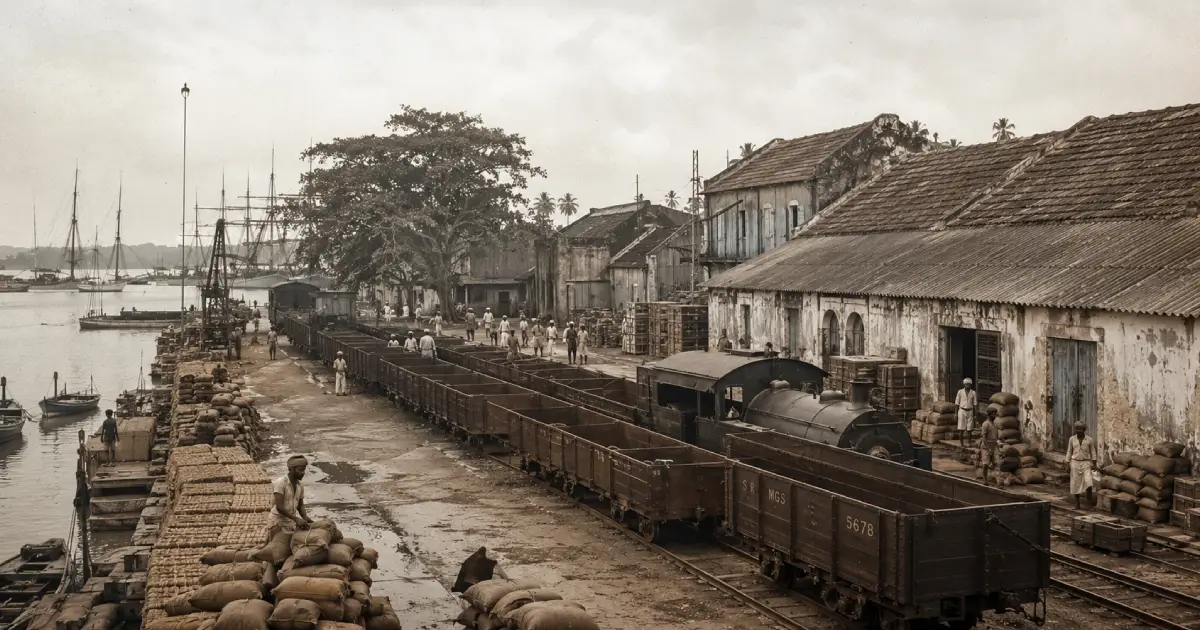
The Old Port Railway Line That Many Forgot
Another nearly forgotten part of Mangalore’s railway history is the old railway siding that connected the city station directly to the Bunder port area.
A rail line once extended toward the old goods shed near the harbor for cargo handling.
This line played a major role in:
- Export trade
- Port logistics
- Tile transportation
- Goods movement from inland Karnataka
Today, most residents pass through the Bunder area without realizing trains once moved cargo directly beside the old port warehouses.
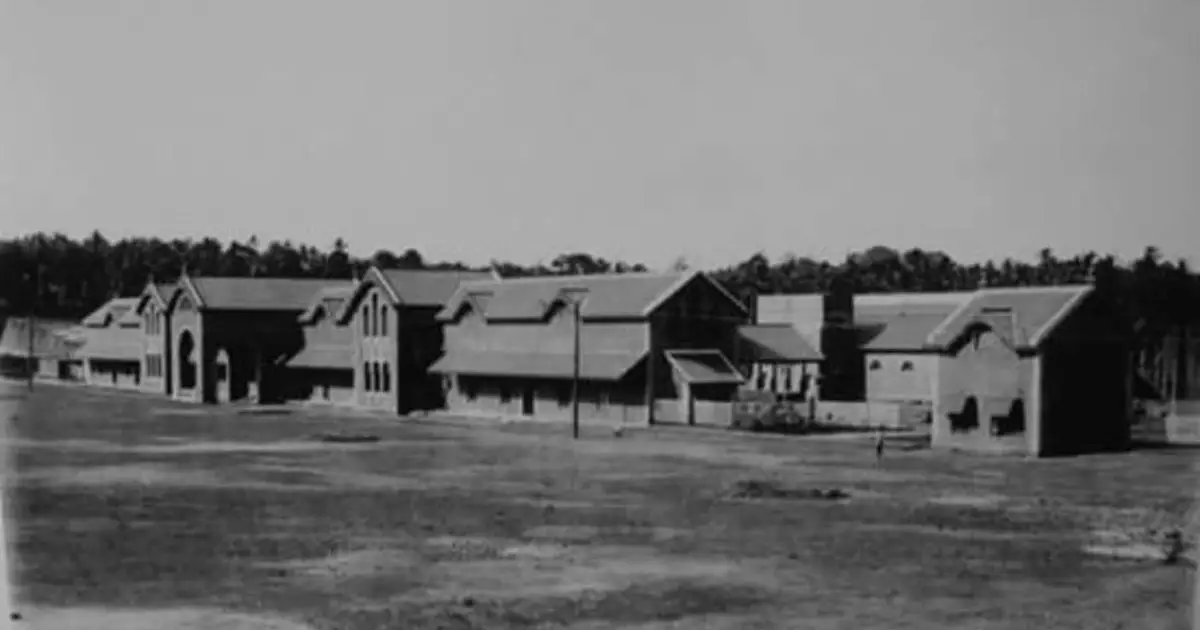
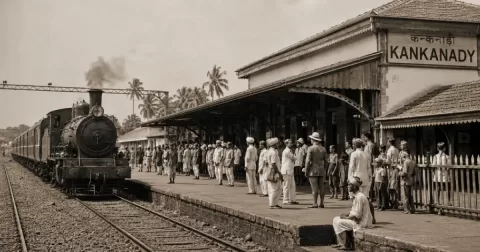
The Transformation of Kankanady Station
Older generations in Mangalore still refer to Mangalore Junction railway station as “Kankanady Station.”
That was its original identity before the station was officially renamed Mangalore Junction to reduce confusion for passengers.
This small detail reflects how railway history survives through local memory even after official names disappear.
Even today, many longtime residents still casually say:
“Get down at Kankanady.”
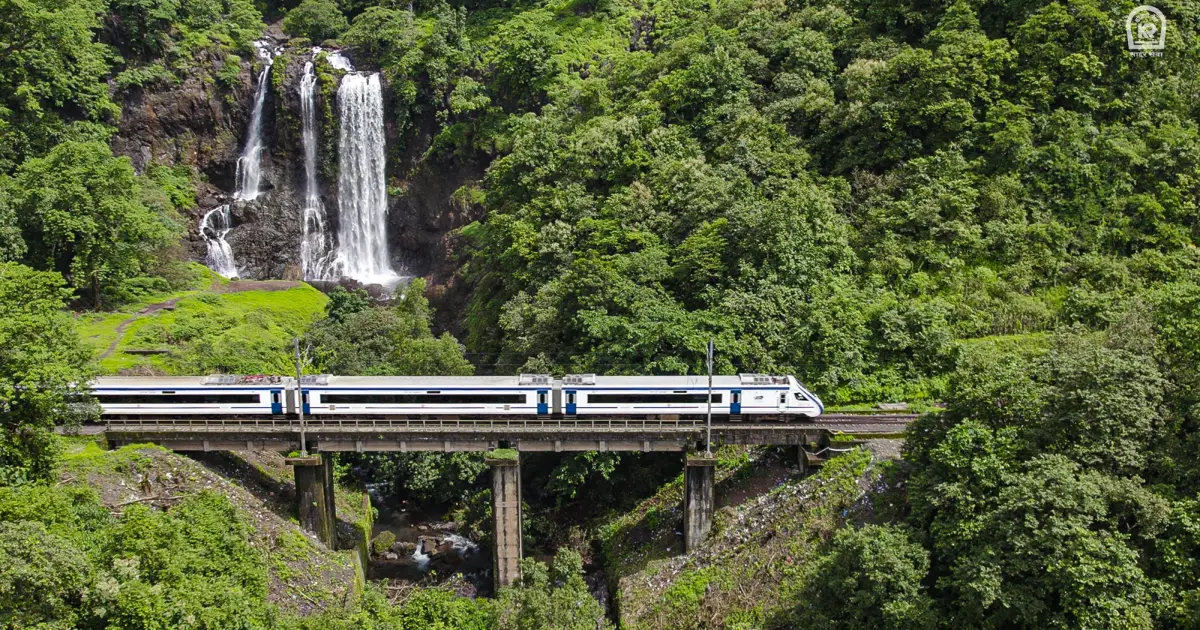
The Railway Through the Western Ghats
Another major chapter arrived decades later when the railway line through the Western Ghats connected Mangalore with Hassan and Bengaluru.
The route through the mountains became one of the most scenic railway journeys in South India.
The original metre-gauge line was later converted into broad gauge, reopening for passenger traffic in 2007.
This railway corridor dramatically improved:
- Trade with interior Karnataka
- Tourism
- Student migration
- Business connectivity
For many families in coastal Karnataka, the overnight train to Bengaluru became a life-changing connection.
Why Mangalore’s Railway Story Matters
The railway did more than transport people.
It reshaped the identity of the city itself.
The railway helped:
- Expand Mangalore’s economy
- Strengthen port trade
- Connect communities
- Accelerate education and migration
- Build modern coastal Karnataka
Without the railway, Mangalore may never have evolved into the commercial and educational hub it is today.
Yet much of this history is slowly fading from public memory.
Forgotten Railway Facts About Mangalore
| # | Historical Fact | Details |
|---|---|---|
| 1 | Railway reached Mangalore | 1907 |
| 2 | Key engineering landmark | Netravati Railway Bridge |
| 3 | Original major trade cargo | Mangalore tiles |
| 4 | Historic long-distance route | Grand Trunk Express |
| 5 | Old name of Mangalore Junction | Kankanady Station |
| 6 | Port railway siding existed | Yes, toward Bunder goods shed |
| 7 | Original rail administration | Madras Railway / South Indian Railway |
“The railway did not just arrive in Mangalore. It transformed the destiny of the coast.”
FAQ
When did railway first come to Mangalore?
Railway connectivity reached Mangalore in 1907 during British rule under the Madras Railway system.
Why was the railway important for Mangalore?
The railway boosted trade, especially the export of Mangalore tiles and other goods through the port.
What is the historic railway bridge in Mangalore?
The Netravati Railway Bridge near Ullal, completed in 1907, is one of the oldest major railway structures in the region.
Was Mangalore Junction earlier called Kankanady Station?
Yes. Older residents still refer to Mangalore Junction as Kankanady Station.
Did Mangalore once have one of India’s longest train routes?
Yes. The Grand Trunk Express once connected Mangalore to Peshawar during British India.
Discover untold stories, lost landmarks, old photographs, and nostalgic history from coastal Karnataka only on Mangalore Diary.




0 Comments
Leave a Comment