
Mangalore's job market rarely gets discussed the way Bengaluru's does — but a city with an operational deep-water port, a functioning petrochemical cluster, one of India's few home-grown private banks still headquartered where it was founded, and seven medical colleges has a genuinely wider employment base than its size suggests.
Mangalore's Economy Was Never Really "One Thing"
Ask someone unfamiliar with the city what Mangalore's economy runs on, and the honest answer is: several fairly unrelated things at once, most of which trace back a century or more. This piece goes sector by sector through what actually generates employment in the city today, rather than repeating the generic "IT hub" framing that a lot of SEO-driven city guides default to.
Port, Refining and Petrochemicals — The Region's Oldest Industrial Base
New Mangalore Port, at Panambur, was established as India's ninth major port on 4 May 1974 and formally inaugurated by Prime Minister Indira Gandhi on 11 January 1975. It remains Karnataka's only major port — a genuinely significant, all-weather deep-water facility spanning roughly 822 hectares of land, with 16 berths handling everything from crude oil and LPG to iron ore pellets, coal, edible oil, fertiliser and containerised cargo.
That port exists in the first place largely because of the industrial cluster built around it. Mangalore Refinery and Petrochemicals Limited (MRPL), a subsidiary of ONGC, currently processes around 14.65 million tonnes of crude per year and reported revenue of roughly ₹4,704 crore for the six months ending September 2025. Alongside it, ONGC Mangalore Petrochemicals Limited (OMPL) — a joint venture between MRPL and ONGC spread across 442 acres inside the Mangalore SEZ, representing an investment of roughly ₹7,500 crore — is fully operational, producing para-xylene and benzene for export through a dedicated pipeline to the port. Kudremukh Iron Ore Company Limited (KIOCL) and Mangalore Chemicals and Fertilizers Limited (MCF) round out the district's public-sector industrial base, alongside private chemical and consumer-goods operations including BASF and Hindustan Unilever.
This cluster is a real, if less glamorous, source of engineering, technical, logistics and skilled operator roles — the kind of employment that rarely makes it into "top companies in Mangalore" listicles built for software job-seekers, but that has quietly anchored the region's industrial economy for half a century.
Banking — A Genuinely Unusual Regional Legacy
Between 1880 and 1935, twenty-two banks were founded across coastal Karnataka, nine of them in Mangalore city alone — an extraordinary concentration for a region of this size, and one that produced several institutions that went on to become national names: Canara Bank (founded 1 July 1906 in Mangalore, as the Canara Hindu Permanent Fund, by Ammembal Subba Rao Pai), Corporation Bank (founded 12 March 1906 in Udupi), Syndicate Bank (founded 1925 in Manipal by T.M.A. Pai, Upendra Ananth Pai and Vaman Srinivas Kudva), and Vijaya Bank, among others.
Here is the part worth being direct about: most of that legacy no longer translates into local headquarters jobs. Nationalisation in 1969 and a wave of consolidation decades later moved these institutions out of local hands and, eventually, out of the region entirely — Syndicate Bank merged into Canara Bank on 1 April 2020, Corporation Bank merged into Union Bank of India the same year, and Vijaya Bank merged into Bank of Baroda in 2019. Canara Bank itself, though founded in Mangalore, is today headquartered in Bengaluru.
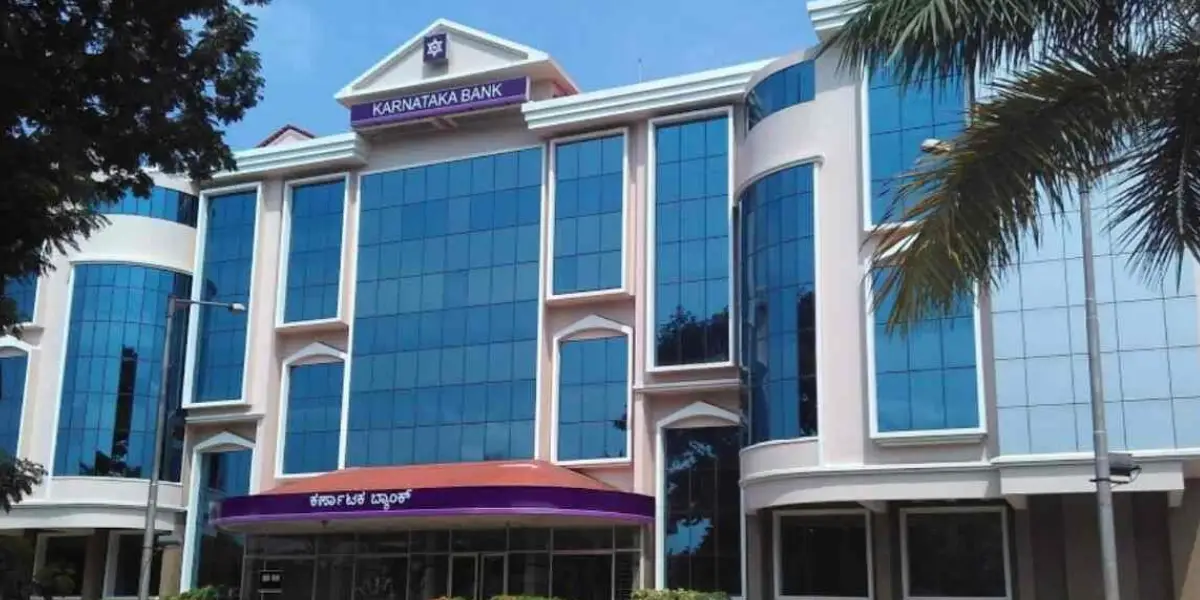
The one significant exception is Karnataka Bank, founded on 18 February 1924, which remains headquartered in Mangalore to this day — at Mahaveer Circle, Kankanady — with roughly 957 branches nationally, around 8,652 employees as of 2023, and total assets exceeding ₹1.2 lakh crore as of 2025. For anyone specifically looking for a corporate banking career based in Mangalore itself, rather than just a local branch posting, Karnataka Bank is effectively the one major institution where that is still possible.
Healthcare — Probably the City's Largest Modern Employer
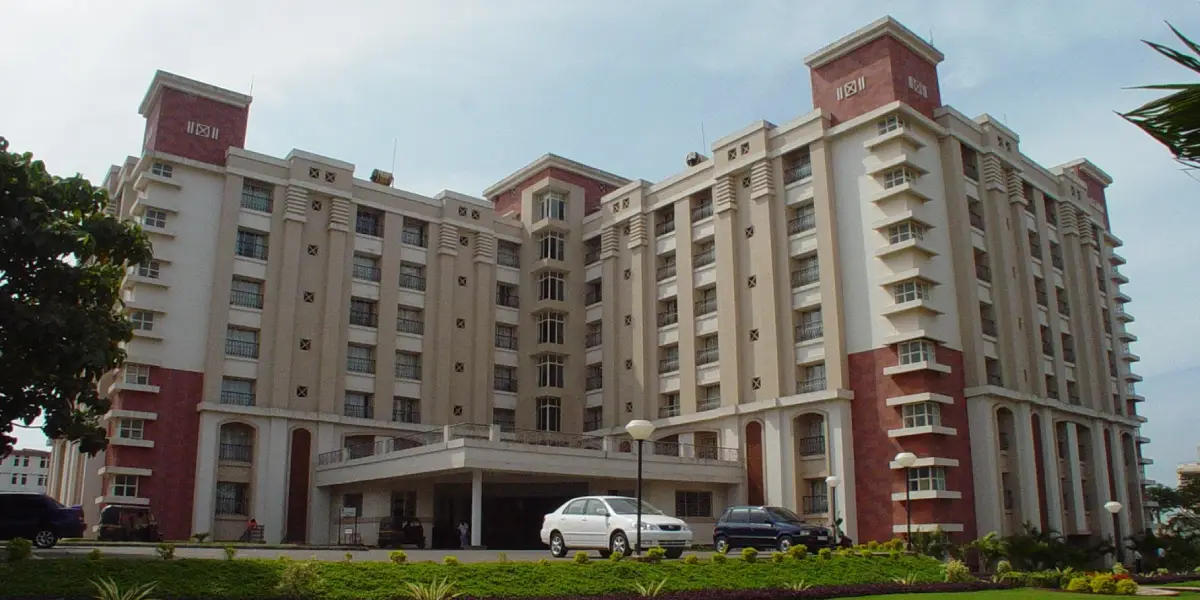
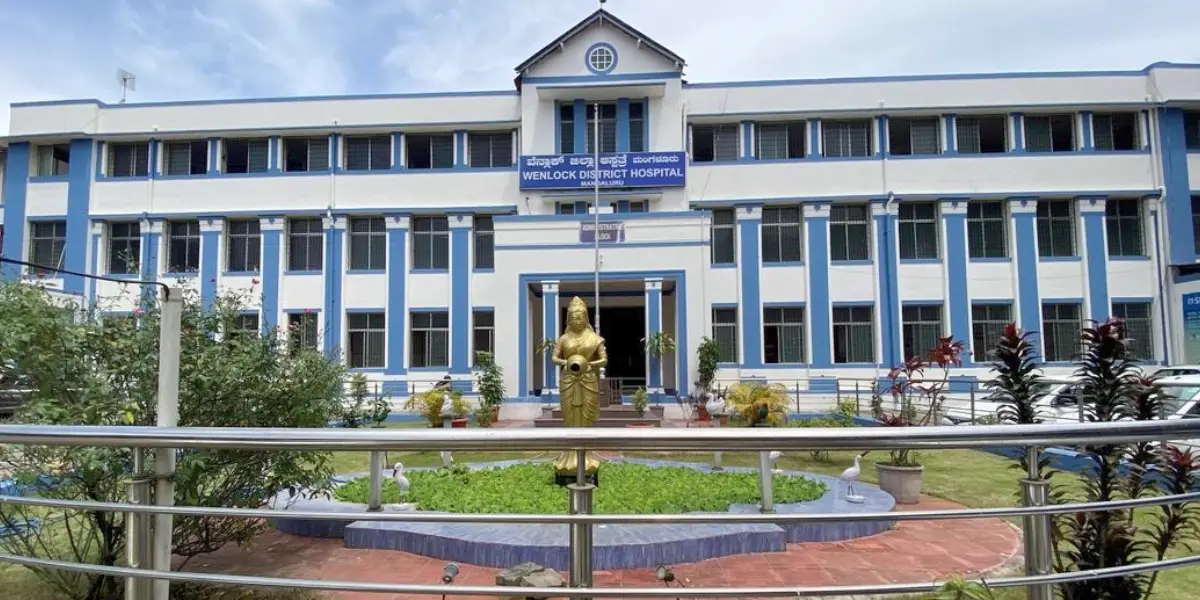
We have covered this in detail in an earlier feature, but it bears repeating in an employment context: Dakshina Kannada is home to at least seven MBBS-granting medical colleges and several major teaching hospitals — Kasturba Medical College, Father Muller, Yenepoya, A.J. Institute, Justice K.S. Hegde Medical Academy (Nitte), and others — collectively running many thousands of hospital beds. This translates into a genuinely enormous employment base spanning doctors, nurses, allied health professionals, hospital administration, and the broader ecosystem of pharmacies, diagnostics and medical-equipment supply that a cluster this size supports. It is very likely, though we do not have a single consolidated employment figure to cite, that healthcare and medical education together constitute Mangalore's largest modern employment sector.
Why Mangalore Became India's Unlikely Medical Hub
Read More on : https://mangalorediary.in/post/why-mangalore-became-indias-unlikely-medical-hub
Information Technology — Smaller Than the Marketing Suggests, But Real
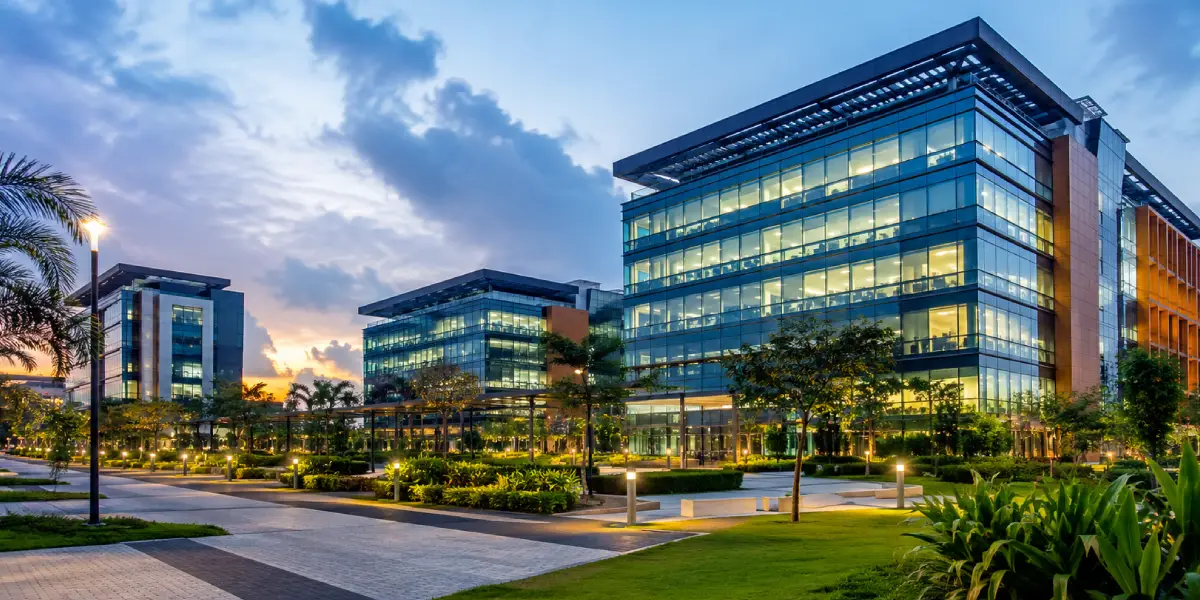
Mangalore's IT sector gets described online in fairly inflated terms — older content still occasionally repeats a decade-old "BPO Boom Town" claim from a 2010s-era outsourcing consultancy report. The more current, honest picture is more modest but still genuine.
Cognizant Technology Solutions operates what multiple sources describe as the largest MNC IT presence in the city, offering IT consulting, digital engineering and business process services. Mphasis has a described "growing presence," recently expanding into application services and infrastructure management for banking and financial services clients. Infosys, despite frequently topping generic "top IT companies in Mangalore" lists, appears to maintain what one more carefully worded source described as a "limited presence" — project-specific teams rather than a large dedicated development campus, with recruitment folded into its broader Karnataka hiring rather than a Mangalore-specific push.
Alongside the national players, the city has a smaller but genuinely home-grown tech sector: Robosoft Technologies, a coastal Karnataka-origin digital products and mobile app development firm with Fortune 500 clients; Invenger Technologies, a Mangalore-based software development and IT consulting firm; and smaller specialist firms including Zephyr Technologies and GlowTouch. Reported entry-to-mid-level salary bands across these companies run roughly ₹4–12 lakh per year depending on role and experience.
Real Estate and Construction
We profiled this sector in detail in an earlier feature: Mangalore has a genuine, decades-old construction and real estate industry, organised enough to support an active CREDAI district chapter with dozens of member firms. Companies like Bearys Group (founded 1981, now a diversified seven-vertical business with operations as far as Dubai), Bhandary Builders, Citadel Developers, Rohan Corporation and others between them employ site engineers, project managers, sales staff and skilled construction labour across the district on an ongoing basis, alongside the informal-sector construction employment that any active building industry generates.
Education, Beyond Medicine
Mangalore's education sector extends well past its medical colleges. The National Institute of Technology Karnataka (NITK), Surathkal, is one of India's National Institutes of Technology and a significant direct and indirect employer — faculty, research staff, and the ecosystem of coaching, hostels and services that a major residential technical institute supports. Manipal Academy of Higher Education's Mangalore-linked history (covered in our earlier feature on why Mangalore became a medical hub) is part of the same broader pattern: education as a genuine, standalone employment sector in its own right, not merely a feeder into other industries.
Startups — A Smaller, More Recent Layer
Mangalore's startup scene is not large by Bengaluru standards, but it is not nonexistent either. We profiled MicroDegree, a Mangaluru edtech company teaching coding and cloud-computing skills in Kannada, in an earlier feature — a genuine, funded, growing local company (44 employees as of mid-2024) built by a Mangalore-based founding team, recognised alongside Karnataka's larger unicorns at the Bengaluru Tech Summit in 2021. It is a useful reminder that the city's employment base is not static — new, smaller companies continue to form alongside the older, larger industrial and institutional employers profiled above.
The Takeaway
Put together, Mangalore's career landscape looks less like a single-industry town and more like a set of parallel, mostly unconnected economies that happen to share a postal code: a century-old port-and-petrochemical cluster, a banking legacy that mostly moved on but left one major institution behind, a healthcare and medical-education sector large enough to plausibly be the city's biggest employer, a modest but real IT presence anchored more by Cognizant than by the bigger names that show up in search results, an active construction industry, and a small but growing startup layer. None of these sectors alone would justify Mangalore's reputation as more than a mid-sized coastal city — but taken together, they explain why the reputation persists anyway.



0 Comments
Leave a Comment