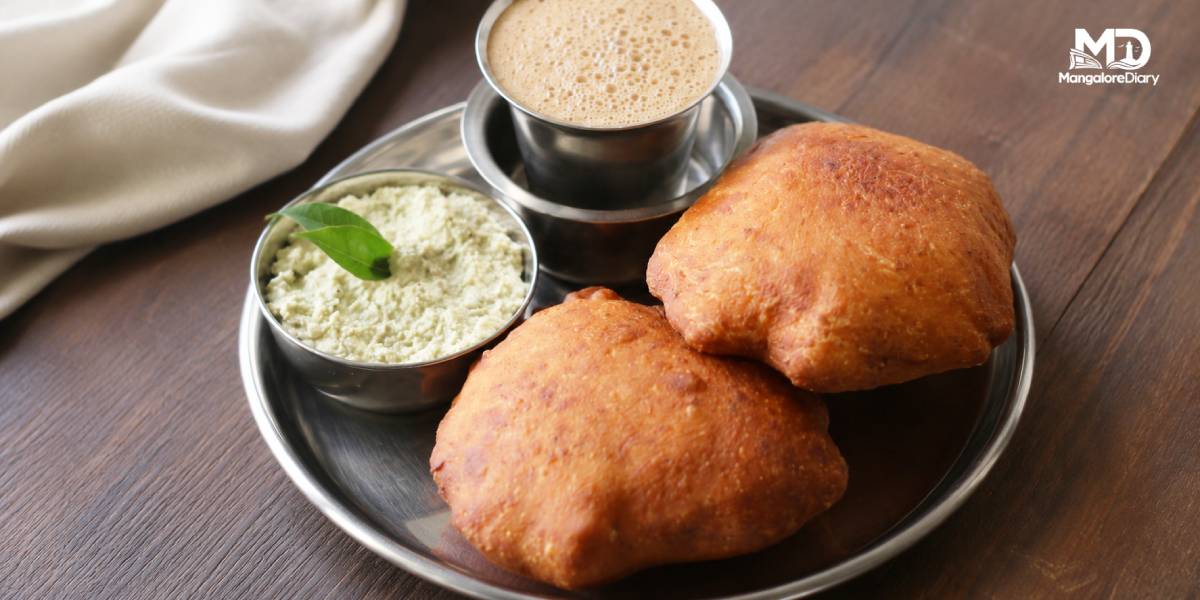
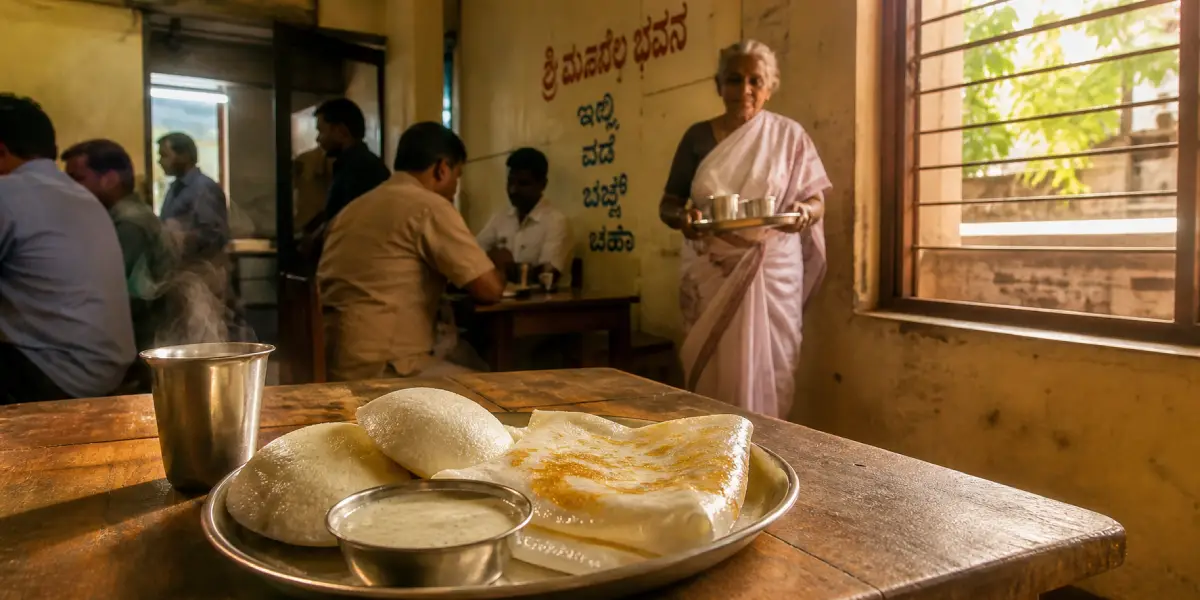
Walk into almost any traditional hotel in Mangaluru early in the morning and you'll notice something unusual. On one table sits a plate of steaming idlis. On another, a crispy dosa. And somewhere nearby, a golden-brown puffed delicacy arrives with coconut chutney and a cup of strong filter coffee.
It is called a Mangalore Bun.
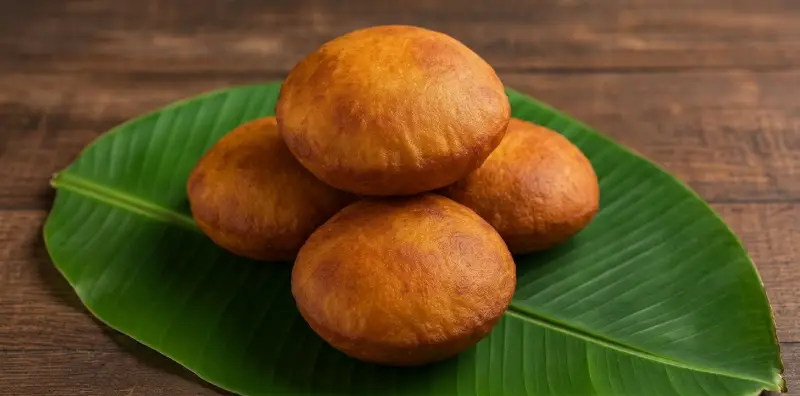
Yet, despite its name, it isn't a bun at all. There is no bakery involved. No oven. No bread loaf. Instead, this beloved Coastal Karnataka specialty is a soft, mildly sweet, deep-fried banana poori that has become one of the most iconic breakfast dishes of the region. For generations, Mangalore Buns have been a part of everyday life in homes, small eateries, and roadside restaurants across Mangaluru, Udupi, Kundapura, and surrounding towns.
But how did this simple dish become a cultural icon?
A Dish Born from Simplicity
Like many traditional foods, the exact origin of Mangalore Buns remains uncertain. Several stories exist.
One popular local belief suggests that cooks were looking for a way to use overripe bananas instead of throwing them away. By mashing the bananas, mixing them with flour and a few simple ingredients, and allowing the dough to ferment, they accidentally created something unique.
Another story links the dish to temple kitchens, where ripe bananas offered by devotees were transformed into a new preparation to prevent wastage. While the true origin may never be known, one thing is certain. The dish was born from practicality, creativity, and the traditional wisdom of making the most of available ingredients.
Why Is It Called a Bun?
This is perhaps the most common question asked by visitors. Mangalore Buns look more like puffed pooris than buns. However, locals believe the name comes from their texture. Unlike ordinary pooris, Mangalore Buns are soft, fluffy, slightly chewy, and have a bread-like consistency inside. The fermented dough creates air pockets that give the dish a light and spongy feel, somewhat resembling bread. Over time, the name "bun" simply stayed.
Today, nobody questions it. In Coastal Karnataka, when someone says "buns," everyone knows exactly what is being discussed.
The Secret Ingredient: Banana
The soul of a Mangalore Bun is the ripe banana.
Overripe bananas are mashed and combined with flour, curd, sugar, cumin, and a pinch of salt. The dough is then rested for several hours, traditionally overnight. This fermentation process develops the characteristic softness and mild sweetness that make authentic Mangalore Buns different from ordinary fried breads. When fried, the dough puffs beautifully into golden discs that are crisp on the outside and soft inside. The result is a dish that feels comforting, filling, and surprisingly addictive.
The Perfect Coastal Karnataka Breakfast
One of the reasons Mangalore Buns became so popular is their versatility. They can be eaten on their own. They pair beautifully with coconut chutney. Many restaurants serve them with vegetable sagu. Others enjoy them alongside filter coffee. The combination of sweet and spicy flavours creates a balance that has made the dish a breakfast favourite for decades. For many Mangaloreans who moved away from home, the taste of Mangalore Buns instantly brings back memories of weekend breakfasts, family outings, and visits to local restaurants.
More Than Food — A Cultural Memory
Every region has dishes that define its identity.
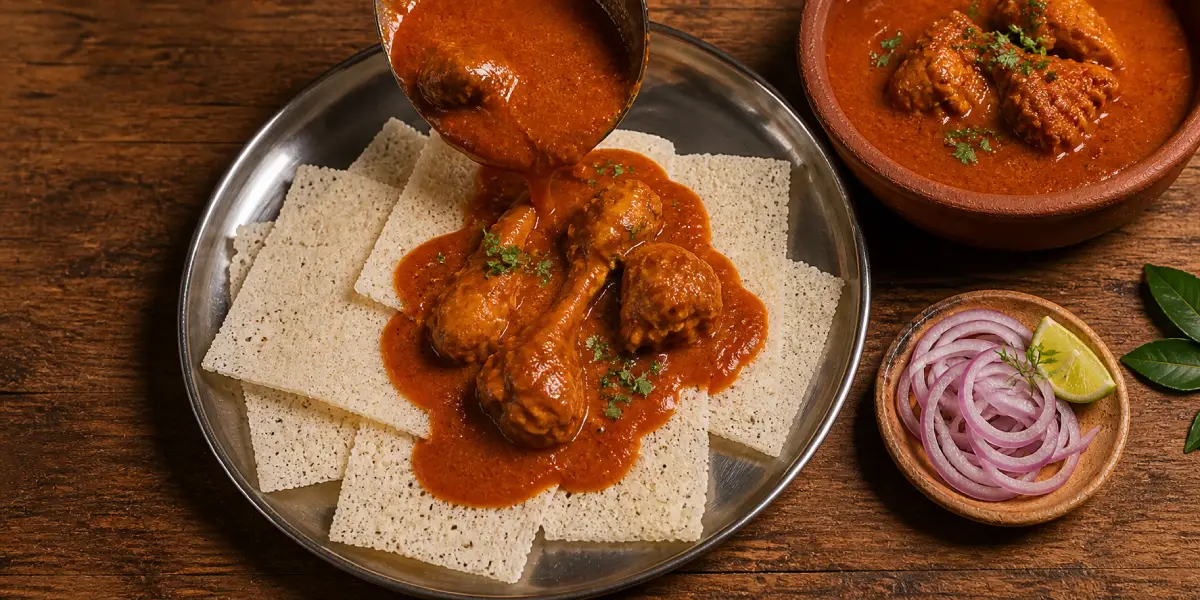
For Coastal Karnataka, Mangalore Buns occupy a special place alongside goli baje, neer dosa, kori rotti, and pathrode. Unlike festive foods that appear only during celebrations, buns are part of everyday life. Students eat them before school. Travellers stop for them during road trips. Families order them on lazy Sunday mornings. This everyday presence has helped transform a simple banana-based recipe into a symbol of regional identity.
From Mangaluru to the Rest of India
Today, Mangalore Buns are no longer limited to the coast. Restaurants across Bengaluru, Mumbai, Pune, Goa, and even overseas Indian communities now serve versions of the dish. Yet ask any Mangalorean and they will likely tell you the same thing:
The best buns are still found in the small hotels of Coastal Karnataka.
Freshly prepared, served hot, and paired with coconut chutney, they remain difficult to replicate elsewhere. Perhaps that is because food is never just about ingredients. It is also about place, people, and memories.
The Legacy of a Simple Breakfast
In an era filled with trendy cafés and international cuisines, Mangalore Buns continue to hold their place on breakfast tables across the coast.
Their story is not one of royal kitchens or grand inventions.
It is a story of resourcefulness.
Of cooks finding value in overripe bananas.
Of families passing recipes through generations.
Of a region creating something uniquely its own.
And that may be exactly why Mangalore Buns remain so special. Because sometimes, the most unforgettable foods are also the simplest.
References
- 1. Wikipedia – Mangalore Buns
- 2. Karnataka Tourism – Banana Bun (Mangaluru Banana Bun)
- 3. Traditional Udupi and Mangalorean culinary sources documenting banana-based fermented buns from Coastal Karnataka.


0 Comments
Leave a Comment